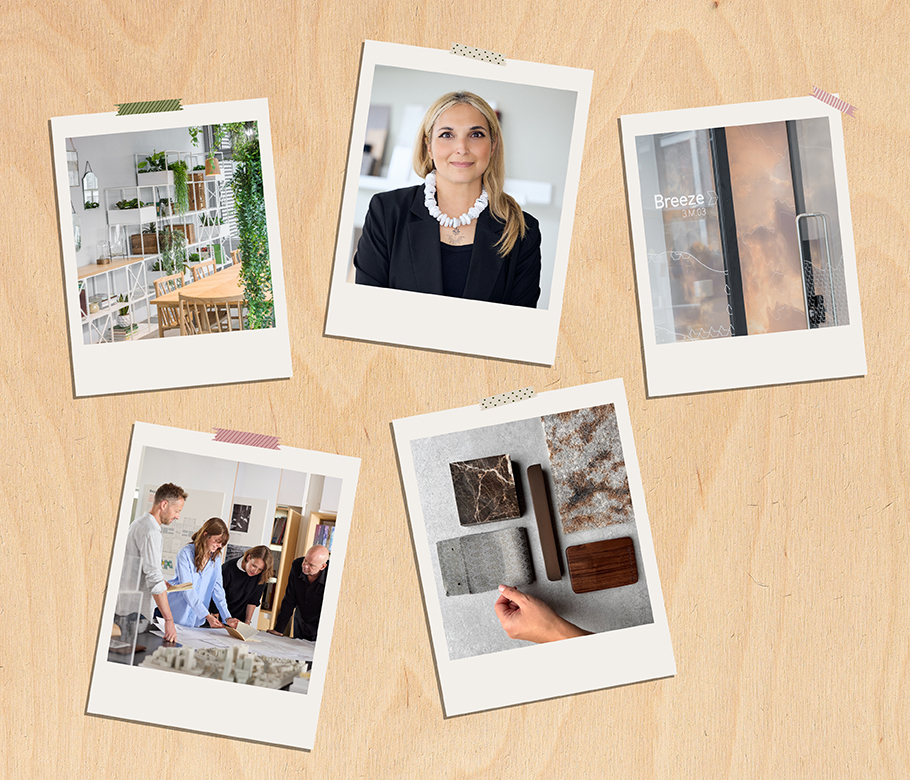
Our Head of Interiors Chiara Cantilena has helped shape LOM’s approach to interior design during 15 years working with the practice. We sat down with Chiara to talk craftsmanship, colour, wellbeing and sustainability – and the importance of the ‘kitchen’ table…
What first drew you to interior design?
I trained as an architect in Italy, where architecture and interiors are inseparable. There’s a strong tradition of craftsmanship, with architects often playing a guiding role in shaping both the exterior and interior details. When I joined LOM 15 years ago, I started working on workplace and interiors projects and discovered how design directly shapes people’s daily experience. I realised interiors have a unique power to influence mood, connection, and wellbeing.
What inspires your creativity?
Inspiration isn’t linear; it’s about curiosity and observation. I have trained myself to look closely at the world, to build mental connections between colours, patterns, textures and forms. Nature, exhibitions, books, and even ceramics all feed into my design language. In my spare time I make pottery, and I find physically working with materials inspires and gives me a deeper understanding of how form and finish come together.
What role does wellbeing currently play in your work, and how do you see this evolving?
Wellbeing has become central to how I design. I think the pandemic made many of us more aware of how our environments affect both body and mind, I’ve seen friends, colleagues and even myself experience the impact of stress and burnout. For me, wellbeing in design starts with empathy: understanding people’s needs, emotions and daily rhythms. It’s not just about adding plants or using natural materials; it’s about creating spaces that genuinely support different ways of living and working. True wellbeing means designing for humanity, for the parent who needs flexibility, the introvert who needs calm, or the team that thrives through connection. At LOM we work closely with end users to understand those needs and translate them into adaptable environments. I see the relationship between wellbeing and design becoming ever more holistic and evidence-based, moving beyond aesthetics to measurable, meaningful outcomes that help people feel, think and perform at their best.
“I see the relationship between wellbeing and design as ever more holistic and evidence-based, moving beyond aesthetics to measurable, meaningful outcomes.”
What are your standout projects?
The Living Rooms was one of the first projects at LOM where I felt we really pushed the boundaries of user choice in the workplace, creating spaces that felt personal and narrative-driven. More recently, I’ve been leading the design of a high-end head office project that blurs the line between hospitality and work. It’s been an incredible collaboration with top craftspeople, working with wood, stone and bespoke finishes to achieve an exquisite result.
How does sustainability influence your design approach?
To me, sustainability means making choices the planet can sustain. Interiors are notorious for being replaced every few years, we need to design for longevity through quality, care and emotional connection. I want people to cherish their spaces and materials, not discard them. When I was growing up in Italy, families would buy one beautifully made, well-crafted dining table, a piece built to last, and often passed through generations.
What’s one design ‘rule’ you love to break?
That “less is more”. I appreciate minimalism, but I find joy in generous, comfortable interiors. Spaces are meant to be lived in, not just admired. For me, warmth and texture matter as much as form.
“Spaces are meant to be lived in, not just admired. For me, warmth and texture matter as much as form.”
What’s one thing you believe every space should have?
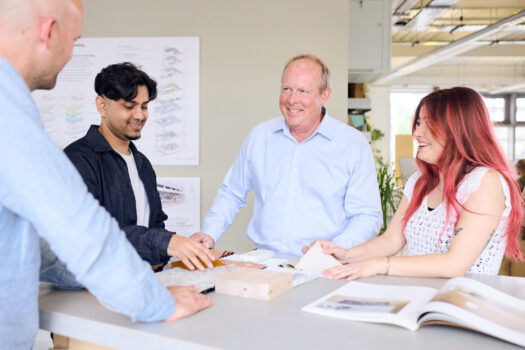
For me, it’s either a kitchen table or a long communal table. I believe there’s no other furniture piece that really better expresses the idea of connection and conviviality – the table is at the heart of the home or central to a meeting room. It’s the place where we communicate, explore ideas and share thoughts.
Do you have a favourite colour?
No, I honestly can’t pick one! I believe every colour has its place in the right context, and each affect how we feel in a different way. Working with clients often means using brand palettes that I might not naturally select myself, but that’s what makes it exciting. It’s pushed me to see how even colours outside my comfort zone can work beautifully when handled thoughtfully. I love encouraging my team to do the same; it’s important to experiment and reinterpret colours they might not instinctively choose.
And finally, your favourite designer?
It’s difficult to pick one designer, as I have so many that inspire and influence me. However, I’ve always admired Patricia Urquiola for her versatility and her ability to reinvent herself without a rigid house style. She designs everything from tiles to furniture, always responding to the brief rather than her ego. That’s something I deeply relate to.
“The table is at the heart of the home or central to a meeting room. It’s the place where we communicate, explore ideas and share thoughts.”